
Your child can come home from camp more confident, more skilled and honestly happier in their sport. On the other hand, they might be exhausted and discouraged because the camp was all hype and no structure. We partnered with Spooky Nook Sports to provide expert insights on what to look for in sports camps to ensure kids get the best experience.
You don’t need to be a sports coach to vet a camp. You just need a simple set of filters and the confidence to ask direct questions. Here are some things to consider.
Good coaching is more than hype and intensity. Look for a clear coach-to-athlete ratio, ask how kids are grouped by age and skill, and how coaches give feedback. You want instruction that is specific and repeatable.
A camp should be able to explain supervision rules without getting defensive. Ask about background checks, who handles injuries and what happens during a heat spike. If representatives cannot explain a heat plan in plain language, that’s a problem. You’re looking for basics like hydration breaks, pacing and practice timing. The CDC has straightforward guidance for how to handle hot weather that camps can align with.
For younger athletes, the AAP lays out warning signs and prevention steps for exercise-related heat illness. Taking a look at these resources can help you determine whether the camp you’re considering is equipped to handle these situations.
A strong camp can tell you what a typical day looks like and why it is structured the way it is. You want skill blocks that build gradually, enough reps to learn and plenty of recovery time. Question a camp that pushes year-round single-sport intensity for everyone. Variety and sensible volume help reduce the risk of overuse. Engaging in sports sampling, when kids play more than one sport, helps prevent injuries.
Some camps look shiny online but are messy in real life. You can usually spot the warning signs early. If the camp will not share a written schedule up front, cannot tell you who supervises athletes between drills and breaks, or dodge questions about coach screening or injury response, it might not be the best place for your child. Also watch for big promises like “guaranteed college exposure” for young kids.
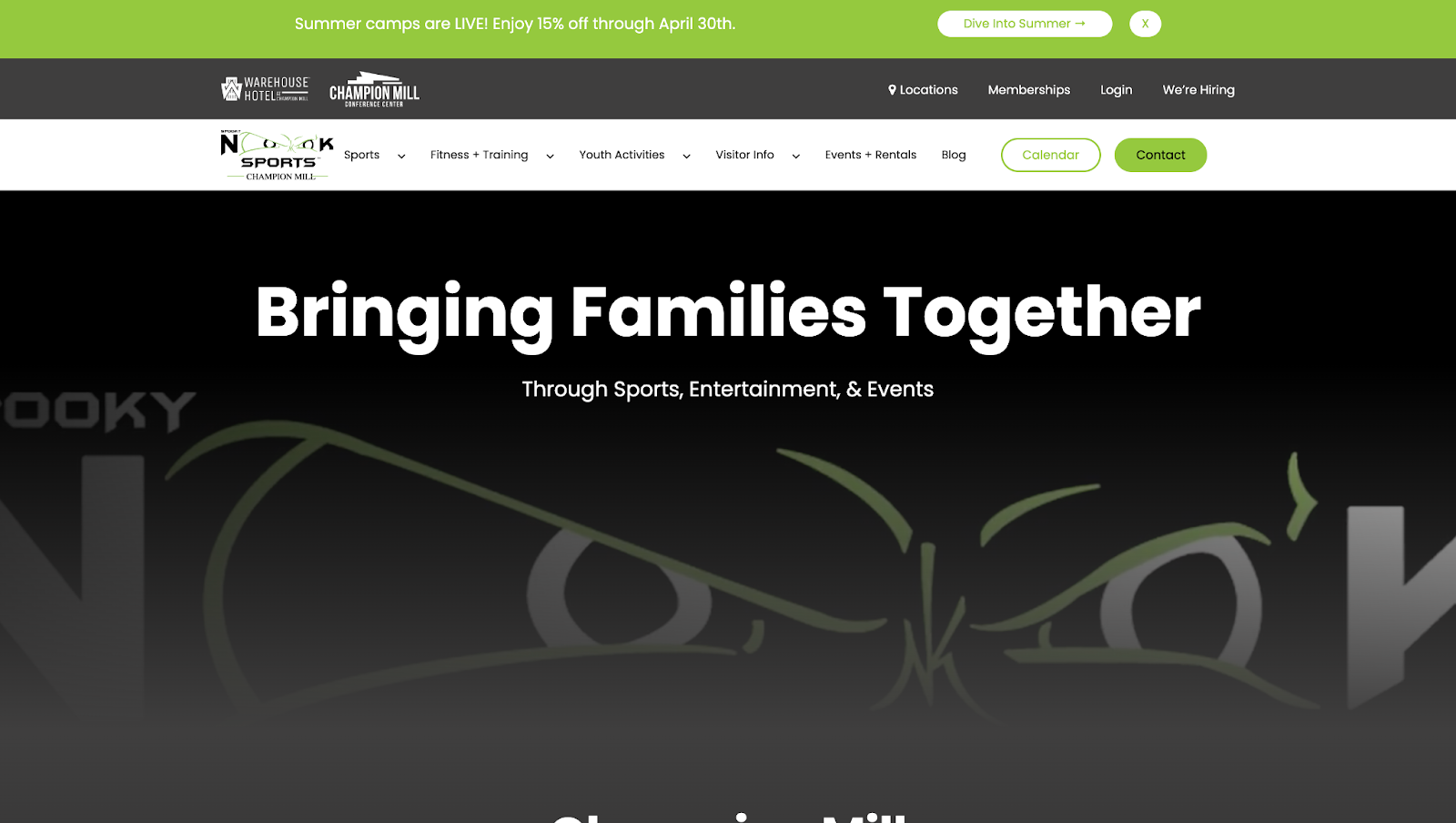
Spooky Nook Sports is a solid option if you want a large facility environment with organized youth programming and repeatable systems. There is less chaos and more clarity, which means your child will be well taken care of and will get the most out of their camp experience. You can rest assured that your camper will have everything they need to excel in their chosen sport and be in safe hands all day.
Here are some questions you should ask before sending your child to camp.
Look for age-based grouping and a supportive coaching style. You’re looking for teaching and encouragement rather than constant tryouts.
For many kids, three to five days is plenty. Longer can work if there is recovery time.
Make sure your child has a water bottle, extra socks, fuel snacks and sunscreen.
You’re choosing an environment as much as a camp, so use these signals to find the one that best fits your child. Trust what you can verify because your goal is a child who feels capable and excited to play again.