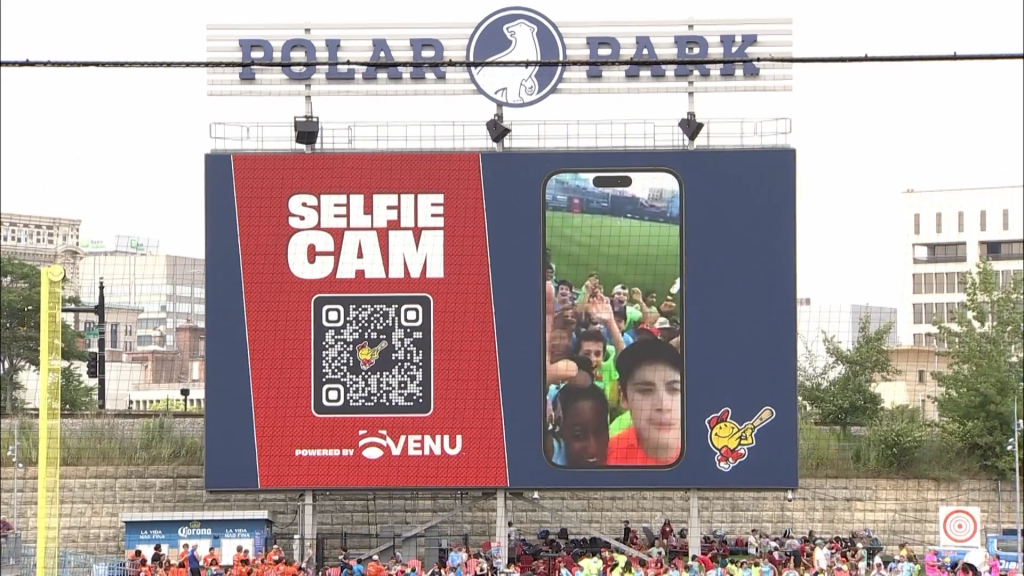
For decades, the sports viewing experience has been defined by a familiar structure. Fans fill stadium seats or tune into broadcasts while athletes compete, and broadcasters control the narrative. But a new shift in fan behavior is transforming that relationship. Audiences are no longer satisfied with watching alone. They want to participate in the moment, shape the atmosphere, and become part of the show.
This shift is at the center of the approach taken by Uvenu, a technology platform designed to connect fans directly to live sports experiences and broadcasts. By enabling real-time interaction between fans, venues, and production teams, the company is helping sports organizations rethink how engagement works in the modern era.
Daniel Canepa, CEO and Co-Founder of Uvenu, believes the rise of social media has fundamentally changed what fans expect when they walk into a stadium or watch a game from home.
“Fans are no longer just an audience. They are making each event experience unique in their own ways,” Canepa says. “Platforms like TikTok and Instagram trained people to create and participate in this influencer era. When fans walk into a stadium or watch a broadcast and can’t interact in meaningful ways, the gap becomes obvious.”
According to Canepa, the expectation to participate already exists. The challenge for teams and broadcasters is bringing that participation into the live experience in a meaningful way.
Many sports leagues and teams have spent years talking about fan engagement. Yet adoption of truly interactive experiences has remained uneven across the industry.
One of the biggest issues, Canepa says, is that many so-called engagement initiatives are still designed primarily as marketing campaigns rather than genuine participation.
“A lot of engagement is still promotional rather than participatory,” Canepa explains. “Shooting off a photo to a hashtag does not really change the experience. Real interaction means the fan’s action affects what happens in the venue or on the broadcast in the moment.”
Another challenge is operational complexity. Some technological solutions require extensive training, complicated hardware installations, or significant workflow changes for production teams.
“The other issue is complexity,” Canepa says. “If the technology is difficult to deploy or operate, it rarely gets used consistently. We take great pride in building a very advanced platform that can be run by anyone with as little training as possible.”

As teams and leagues search for new ways to deepen fan loyalty and attract younger audiences, interactive experiences are gaining momentum.
According to Canepa, the strongest traction right now is coming from organizations that see fan interaction as an ongoing part of the game presentation rather than a one-time promotional event.
“The biggest interest right now is around creating new interactive sponsor inventory and integrating fan driven moments into live production,” Canepa says. “Teams are realizing these experiences do not have to be one off promotions. They can become a recurring part of the game presentation and broadcast.”
That shift also opens the door to new revenue opportunities. By turning interactive moments into sellable sponsorship assets, teams can generate recurring value across an entire season.
“Each sellable asset brings a huge ongoing return on investment opportunity to clubs,” Canepa notes.
For broadcasters and production teams, integrating new technology into an existing workflow can often be a major hurdle. Uvenu was designed specifically to avoid that challenge.
“We built it to fit inside existing workflows with no integration, apps, or special equipment necessary,” Canepa says. “From a control room perspective it behaves like another content source producers can trigger or incorporate.”
Because the platform is cloud-based, it can be deployed quickly and adapted to different venues and production environments with minimal preparation.
“That means it can be deployed instantly with just a few creative assets,” Canepa adds.
One of the most significant drivers behind the rise of interactive sports experiences is the changing behavior of younger audiences.
Gen Z fans grew up creating content on social media platforms and interacting with digital communities in real time. As a result, passive viewing often feels outdated.
“Gen Z grew up creating and interacting online and they are quick with devices,” Canepa says. “Uvenu lets them bring that behavior into the live event space by directly contributing content or seeing their participation reflected live.”
When fans see their actions influence what appears on stadium screens or in broadcasts, the experience becomes far more memorable.
“When fans see their actions become part of the show, the experience becomes far more memorable,” Canepa says.
Beyond creating a more exciting fan experience, interactive technology also provides tangible business value for teams and sponsors.
Traditional sponsorships often rely on passive exposure. Interactive activations allow organizations to track participation and collect valuable insights into fan behavior.
“Interactive experiences turn passive impressions into measurable engagement,” Canepa says. “Teams and sponsors can track participation and opt ins tied to branded activations.”
These insights help organizations better understand what resonates with fans and create more targeted campaigns in the future.
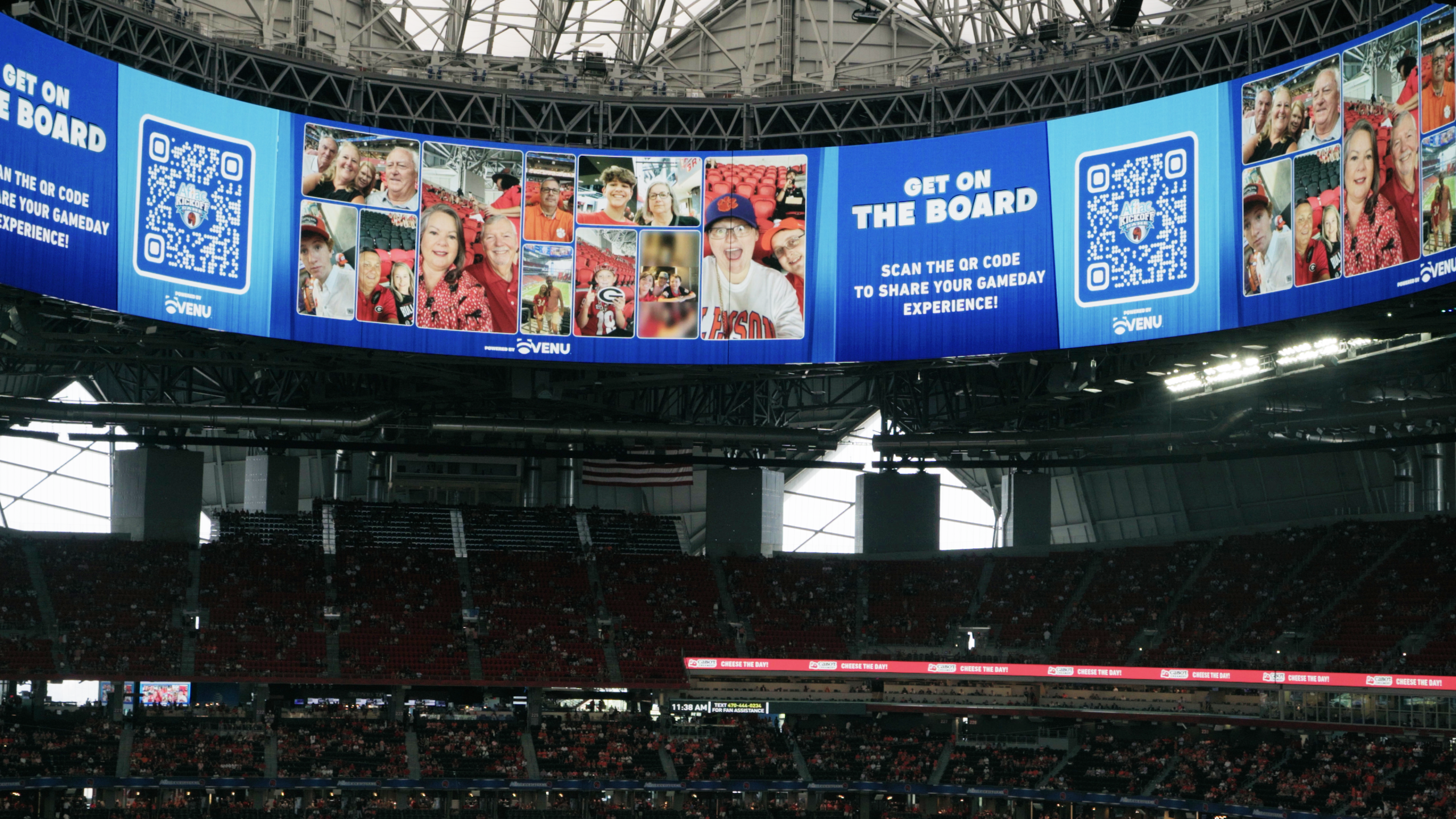
One of the biggest surprises Canepa encountered while building Uvenu was how wide the gap had become between fan technology and broadcast infrastructure.
“Fans already have incredibly powerful creative tools on their phones,” Canepa says. “But live broadcasts were not really using them.”
While millions of fans were creating content online, there was little infrastructure connecting those capabilities to live sports production.
“The audience had the technology to participate, but there was no infrastructure connecting them to the production in a seamless way,” he explains.
Of course, allowing fans to contribute content to live productions raises important questions about moderation and brand safety.
Uvenu addresses those concerns through multiple approval layers before any user-generated content appears on screens or broadcasts.
“All fan content passes through moderation layers before it reaches the broadcast or venue screens,” Canepa says. “There are producer level approval controls to preserve spontaneity while keeping everything safe and family friendly.”
As the sports industry continues to explore new ways to engage audiences, Canepa believes fan participation will become a permanent layer of the live sports experience.
Over the next two years, Uvenu plans to expand its platform with deeper production integrations and evolving artificial intelligence tools designed to enhance creativity and participation.
“We are focused on making fan participation a continuous layer of live events,” Canepa says.
For Canepa, the future of sports broadcasting is simple to describe but transformative in practice. “Fans will not just watch the moment,” he says. “They will shape it.”