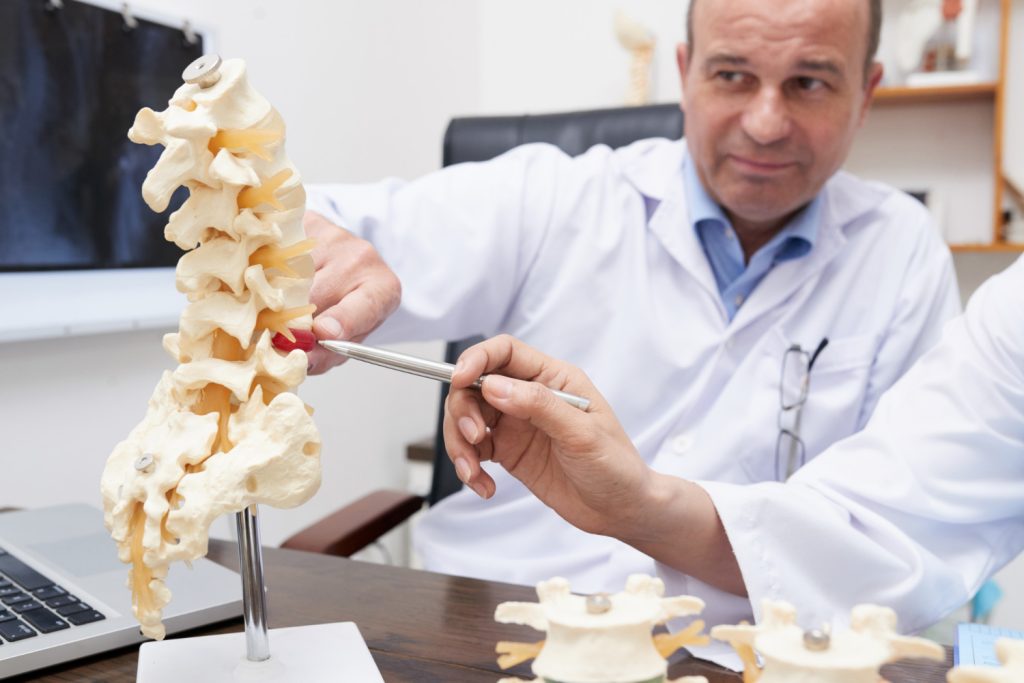

Spine health shapes how you move, train and perform each day. When pain or injury interferes, the push for a quick solution can feel overwhelming. While surgery may help in specific cases, it requires careful evaluation. Understanding all options before committing is essential. We collaborated with Rojeh Melikian, M.D. to provide you with this detailed guide featuring expert insights into their industry.
Spinal disorders remain a leading cause of disability, reduced productivity and lower quality of life worldwide. While surgery is an established treatment, long-term outcomes can vary. Second opinions help you confirm your diagnosis and make informed decisions, especially when spine surgery is involved. They are common in musculoskeletal care, where treatment plans can vary.
In this process:
Comparing surgical and non-surgical options like exercise-based care helps you choose the right path. Second opinions add clarity, reduce unnecessary procedures and support better outcomes.
You can start by seeking a board-certified spine specialist with experience in your condition. Consider choosing someone who evaluates similar cases and reviews both surgical and nonsurgical options. Gather all relevant records — including imaging, reports and treatment history — to support a thorough evaluation.
During the consultation, ask for a clear explanation of your diagnosis, the need for surgery and possible alternatives. You could also consider comparing recommendations, especially if different approaches are suggested. Above all, have a transparent conversation with your surgical team regarding your expectations, recovery needs and schedule.

If you are considering spine surgery, Rojeh Melikian, M.D. provides a clear, evidence-based second opinion tailored to your condition. As a board-certified surgeon trained at Harvard and Emory, he evaluates spinal disorders through a detailed review of your medical history. This includes your physical examination and imaging tests, such as MRI, CT scans and X-rays.
He confirms whether your diagnosis is accurate and ensures your symptoms and findings align before any surgical decision. The doctor also reviews nonsurgical options and compares surgical techniques to identify the most appropriate approach for your situation. You can schedule an in-person or virtual consultation and receive a thorough, personalized evaluation in Los Angeles.
Consider a second opinion if your diagnosis is unclear, surgery is recommended early or you feel uncertain about the plan.
You can bring your imaging, medical records and prior treatment history to help support a thorough evaluation. Having complete records may improve the accuracy of the assessment.
Yes. A second opinion may confirm your current plan or suggest alternative options that better fit your condition and goals.
A qualified second opinion helps you take control of your care and make confident decisions. It confirms your diagnosis, clarifies your options and ensures your treatment aligns with your goals. By consulting experienced specialists such as Rojeh Melikian, M.D., you gain a clearer, more objective view of your condition. This step reduces unnecessary procedures and supports better outcomes.