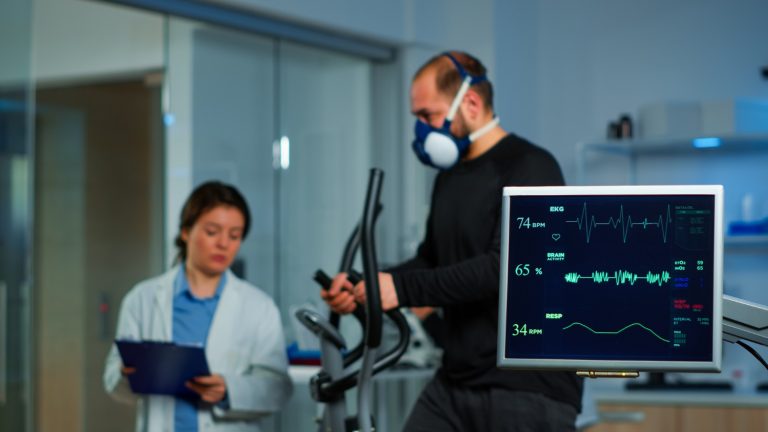
Medical device engineering is becoming increasingly more prominent in different fields. After all, what doesn’t get measured doesn’t get managed. As professionals in the industry, performance monitoring can be a tool for transformative growth, rapidly improving athletic training. You can get unparalleled insights into your physical performance and daily health metrics with a touch of a button. Learn more about how these devices can be your partner for explosive growth and where you can find biomedical engineering jobs in this growing industry.
Medical device engineering focuses on building technologies that improve your overall health. It can be as simple as stethoscopes and bandages or complex and life-sustaining devices like pacemakers and prosthetic limbs. These devices have expanded outside of healthcare to industries such as occupational safety and sports science. Through performance monitoring and health management, they ensure people are able to function well in their jobs.
Wearable technology in sports can significantly improve an athlete’s performance through the real-time data it provides. Smartwatches, sleep tracker rings, and heart rate monitors regularly track physical data that can provide a deeper understanding of your overall health. In fact, there are 2 million types of medical devices that help people all over the world function daily and improve their performance.
There are plenty of emerging players in the wearable technology market. Companies like Danaher Corporation lead the development of diagnostic technologies to help athletes from different sports reach their potential through efficient self-management.
Advancements in the medical field are applied to sports science. You and your team can monitor your cardiovascular strain, track sleep quality, identify electrolyte levels, monitor stress levels, and spot trends that can be used to tailor your workouts and routines.
There are many wearable technologies existing in the sports market today. Here are some of the most used engineering principles in these devices:
Wearable technology in sports is used in many disciplines in various ways. As an example, marathon runners use GPS-enabled devices to record their speed and distance. Team sports athletes use heart-rate monitors during sessions.
There are smart clothes equipped with sensors that detect muscle strains. As a result, athletes avoid more high-injury-risk situations. They are detected through a variety of metrics such as energy used, balance, and impact.
Coaches can also use data from these technologies to enhance athlete development. Strategies may be used to improve training. Advancements in augmented reality, artificial intelligence, and more sensitive sensors will be incorporated into current devices in the coming years. These will help improve monitoring capabilities and provide personalized insights for athletes.
Medical device engineering has become a mainstay in advancing athletic performance and building smarter training practices. You can also use data from these devices to prevent injuries and improve recovery strategies.
There are plenty of places where you can find biomedical engineering jobs. This field that blends technology and sports is growing in manpower and constantly produces innovation. This just shows the commitment to improving athlete welfare.

Lorem ipsum dolor sit amet, consectetur adipiscing elit. Ut elit tellus, luctus nec ullamcorper mattis, pulvinar dapibus leo.
Lorem ipsum dolor sit amet, consectetur adipiscing elit. Ut elit tellus, luctus nec ullamcorper mattis, pulvinar dapibus leo.