Whoop’s fit monitoring could help users spot when a wearable is too loose or tight to capture reliable readings, according to a 2026 U.S. patent filing. The proposed system would use vibrations to assess how firmly a device sits against the body and suggest adjustments. The filing describes a possible feature, not a launch announcement.
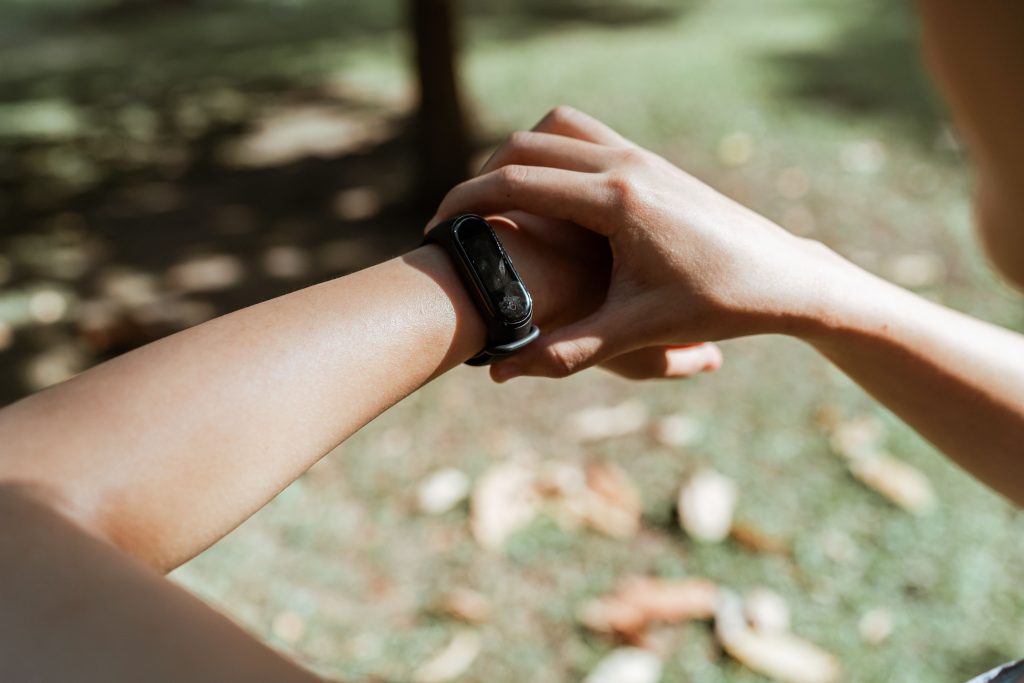
The idea addresses a practical problem for screenless trackers: users may choose a strap fit based on comfort or appearance without knowing whether the sensor has enough skin contact. Whoop says the fit must keep the heart-rate sensor close enough to measure blood flow, while avoiding pressure that constricts circulation and weakens the optical signal.
The patent proposes using haptic vibrations, the same type of feedback Whoop uses for alarms, to infer tension between the device and the wearer. Measurements could be taken when someone puts the tracker on, at intervals chosen by the wearer, or when signal quality changes.
The app could then classify the fit as loose, normal or tight and recommend an adjustment. Measurements could repeat on a schedule or when heart-rate signal strength or confidence declines. Checks could continue until fit reaches an acceptable range or a timeout prompts a warning about data accuracy.
Users could also start a fit check through an interface button or by double-tapping the device. Possible results include a tension measurement, score or direct instruction, such as tightening a strap by at least one millimeter.
That adjustment estimate could draw on the monitor’s position, an estimate of body circumference and the material of the elastic strap. The company’s filing gives a sample score range from -10 to 10, with zero representing optimal tension. It says scores between -5 and 5 would be acceptable for accurate data collection, while readings outside the -10 to 10 range could indicate data is unlikely to be accurate or meaningful.
The filing says vibrations could be combined with readings from an accelerometer and gyroscope to assess optical and mechanical coupling. Whoop describes tighter contact as producing a closer phase relationship and stronger mechanical coupling. The measurements could produce a fit assessment and advice in the user interface.
Whoop 4.0, launched in 2021, added haptic feedback that can alert users and wake them when they reach a sleep goal. The filing discusses applying that capability to fit measurement. It does not confirm that the feature is available on Whoop 5.0 or MG devices.
Accurate contact could matter for metrics such as resting heart rate and heart-rate variability, or HRV. The filing appears as the company expands its health offerings. Whoop says subscribers can access blood testing covering 122+ biomarkers and personalized coaching based on round-the-clock device data.
Whoop says the services give context for high or low body-chemistry readings. The source says inaccurate readings could affect health and habit decisions. Whoop’s filing therefore frames fit guidance as a potential way to improve measurement quality, though it does not establish a release date or confirm that the system will reach users.
Whoop has not announced a rollout; the patent describes possible measurements and guidance. Sports technology firms are also exploring ways to make athlete data more accessible, as described in FIFA’s World Cup data plans. The fit proposal would focus on the quality of one wearable’s readings before those measurements inform a user’s view of recovery, sleep or other health metrics.
That emphasis connects with wider discussion about coaching and health data in sport. A separate report on training gaps for female athletes examines coaches’ confidence in addressing athletes’ needs. Another article looks at health and wellness coaching as a sports business area. Whoop’s filing instead centers on whether a tracker is positioned to gather useful readings.
Lorem ipsum dolor sit amet, consectetur adipiscing elit. Ut elit tellus, luctus nec ullamcorper mattis, pulvinar dapibus leo.
Lorem ipsum dolor sit amet, consectetur adipiscing elit. Ut elit tellus, luctus nec ullamcorper mattis, pulvinar dapibus leo.