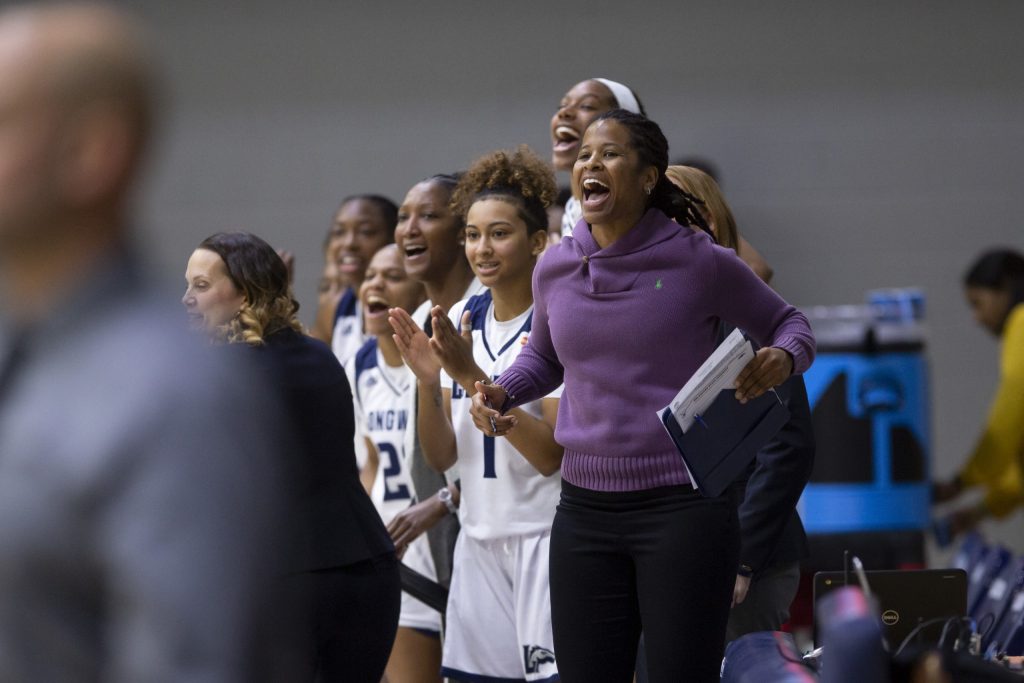
A survey of 779 coaches of female athletes in Norway and Sweden found that many lack confidence addressing girls’ and women’s specific needs. The research, led by Ådne Ausland and colleagues, points to a gap between recognizing important topics and knowing how to discuss them with athletes.
Coaches surveyed considered growth and development, puberty and menstruation important. Yet the results, published in Sports Coaching Review and the International Journal of Sports Science & Coaching, found that coaches did not feel equipped to address those subjects. The study was published October 7, 2026.
Ausland also interviewed eight former Norwegian elite athletes. Their accounts split into two very different experiences. Half described training environments where talking about low energy or period pain was treated as weakness.

Those athletes said they learned to suppress their bodies’ signals and suffer in silence. Ausland said that over time, the experience led to injuries, wear and tear, and painful memories from their careers.
The other half described open, trusting relationships with their coaches. Those coaches did not need to be doctors or specialists, Ausland said. Listening to athletes and creating trust so they could speak up mattered most.
The contrast is central to the research: knowledge about female-specific needs matters, but athletes also need a relationship that makes honest conversations possible. A coach who hears an athlete’s concerns can respond without treating every difficult day as a reason to abandon training.
Ausland, Monica Klungland Torstveit and Bård Erlend Solstad outlined three practical steps. Coaches can begin by asking athletes how they feel before a session, including questions about energy and sleep. Making the check-in routine can make it safer to discuss the body’s signals.
They also advised coaches to make small adjustments when an athlete has period pain or low energy instead of canceling the session. The response shows that the coach has listened, and can help build trust.
The third step is to make clear that speaking openly about difficult days will not cost an athlete playing time or opportunities. The researchers said players may hide pain because they fear losing their place on a team.
The source describes the FIDES Coach Education Programme, developed through Ausland’s Ph.D. project, as a course for coaches of female athletes. It aims to build expertise and a trusting relationship, and the International Olympic Committee supported its translation into English.
Less than 10% of sports research focuses exclusively on girls and women, according to the source. Ausland said that has helped leave the knowledge base in Norwegian clubs and teams centered on boys’ and men’s needs. Many female athletes feel unseen in areas fundamental to them, he said, and some decide the cost of participation is too high.
The source also says a much larger proportion of girls than boys leave sports during their teenage years. The research does not attribute that pattern to one cause, but it describes how coach preparation and communication can shape athletes’ experiences.
Sports coverage has also examined standards for women’s competitions, including athlete-designed coverage standards. Other related reporting has looked at health and wellness coaching and women’s fitness standards.
The research suggests a practical starting point for coaches: ask athletes how they feel, adjust when needed, and make speaking up safe. The course developed by the FIDES group offers one route for coaches seeking that preparation.
Read the source report on coach training for the survey and athlete interviews.